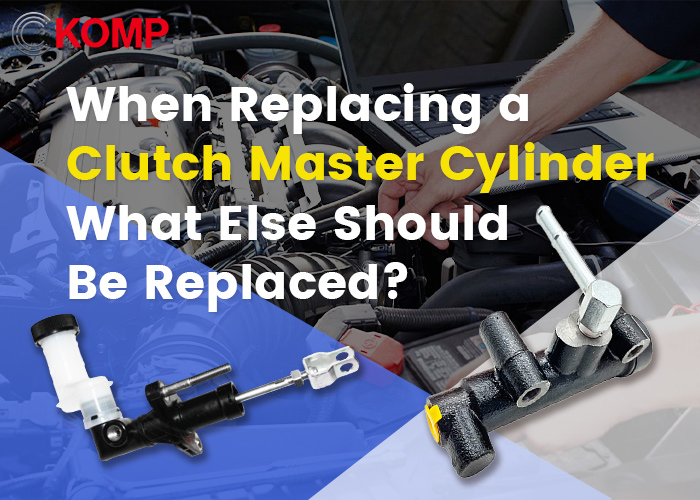
Что еще следует заменить при замене главного цилиндра сцепления?
Dec 26, 2025
Что еще следует заменить при замене главного цилиндра сцепления?
При замене главного цилиндра сцепления важно учитывать общее состояние гидравлической системы сцепления. Для обеспечения надежной работы и предотвращения повторных поломок следует одновременно проверить или заменить следующие ключевые компоненты. Многие производители, в том числе и те, кто поставляет продукцию...
Китайский главный цилиндр сцепления
Рекомендуется системный подход, а не замена одной детали в отрыве от контекста.
 1. Рабочий цилиндр сцепления (рабочий цилиндр)
Главный цилиндр сцепления и рабочий цилиндр сцепления работают вместе как замкнутая гидравлическая трансмиссионная система. Выход из строя главного цилиндра часто сопровождается износом уплотнений или внутренним износом рабочего цилиндра. Если рабочий цилиндр демонстрирует признаки утечки жидкости или заедания поршня, его следует заменить одновременно. Выбор
хорошая цена на рабочий цилиндр сцепления
Стабильное качество может помочь поддерживать гидравлический баланс, одновременно контролируя затраты на техническое обслуживание.
Меры предосторожности при замене включают:
Для запрессовки рабочего цилиндра используйте специальный инструмент, чтобы предотвратить деформацию корпуса.
Нанесите соответствующую смазку на шток толкателя рабочего цилиндра.
Для обеспечения стабильного гидравлического давления необходимо одновременно заменять изношенные компоненты.
2. Гидравлические линии
Гидравлические шланги подвергаются воздействию тепла и вибрации, что со временем приводит к их старению и растрескиванию. При замене:
Осмотрите шланги на наличие трещин, вздутий или утечек масла.
Рассмотрите возможность замены шлангов на армированные шланги с металлической оплеткой.
Используйте герметичные фитинги и зажимы на всех соединениях.
3. Механизм педали сцепления
Износ между педалью сцепления и штоком главного цилиндра может привести к чрезмерному или неравномерному ходу педали. Проверьте:
Возможно, пружина возврата педали ослабла.
Состояние износа поворотного штифта и втулок.
При обнаружении чрезмерного износа замените педальный узел.
4. Комплект сцепления (при необходимости)
Замена главного цилиндра сцепления не всегда требует замены всего комплекта сцепления. Однако одновременная замена рекомендуется в следующих случаях:
Выжимной подшипник издает посторонний шум (обычно требующий снятия редуктора).
Нажимная пластина имеет признаки перегрева или изменения цвета.
Толщина диска сцепления составляет менее 3 мм.
5. Тормозная жидкость (DOT 4)
Для любого ремонта гидравлической системы необходима новая жидкость:
Полностью слейте старую тормозную жидкость.
Используйте тормозную жидкость, рекомендованную производителем.
После установки тщательно прокачайте систему.
Для предотвращения попадания влаги в тормозную жидкость следует заменять каждые два года.
Меры предосторожности в оперативной деятельности
После установки отрегулируйте свободный ход педали сцепления до 15–20 мм.
Для создания гидравлического давления несколько раз нажмите на педаль вначале.
Во время дорожных испытаний убедитесь в плавном включении и выключении сцепления.
Проверка и замена этих взаимосвязанных компонентов одновременно позволяют снизить риск повторных ремонтов и обеспечить долговременную и стабильную работу системы сцепления. Для автомобилей с пробегом более 80 000 километров настоятельно рекомендуется комплексная проверка всего узла сцепления.
1. Рабочий цилиндр сцепления (рабочий цилиндр)
Главный цилиндр сцепления и рабочий цилиндр сцепления работают вместе как замкнутая гидравлическая трансмиссионная система. Выход из строя главного цилиндра часто сопровождается износом уплотнений или внутренним износом рабочего цилиндра. Если рабочий цилиндр демонстрирует признаки утечки жидкости или заедания поршня, его следует заменить одновременно. Выбор
хорошая цена на рабочий цилиндр сцепления
Стабильное качество может помочь поддерживать гидравлический баланс, одновременно контролируя затраты на техническое обслуживание.
Меры предосторожности при замене включают:
Для запрессовки рабочего цилиндра используйте специальный инструмент, чтобы предотвратить деформацию корпуса.
Нанесите соответствующую смазку на шток толкателя рабочего цилиндра.
Для обеспечения стабильного гидравлического давления необходимо одновременно заменять изношенные компоненты.
2. Гидравлические линии
Гидравлические шланги подвергаются воздействию тепла и вибрации, что со временем приводит к их старению и растрескиванию. При замене:
Осмотрите шланги на наличие трещин, вздутий или утечек масла.
Рассмотрите возможность замены шлангов на армированные шланги с металлической оплеткой.
Используйте герметичные фитинги и зажимы на всех соединениях.
3. Механизм педали сцепления
Износ между педалью сцепления и штоком главного цилиндра может привести к чрезмерному или неравномерному ходу педали. Проверьте:
Возможно, пружина возврата педали ослабла.
Состояние износа поворотного штифта и втулок.
При обнаружении чрезмерного износа замените педальный узел.
4. Комплект сцепления (при необходимости)
Замена главного цилиндра сцепления не всегда требует замены всего комплекта сцепления. Однако одновременная замена рекомендуется в следующих случаях:
Выжимной подшипник издает посторонний шум (обычно требующий снятия редуктора).
Нажимная пластина имеет признаки перегрева или изменения цвета.
Толщина диска сцепления составляет менее 3 мм.
5. Тормозная жидкость (DOT 4)
Для любого ремонта гидравлической системы необходима новая жидкость:
Полностью слейте старую тормозную жидкость.
Используйте тормозную жидкость, рекомендованную производителем.
После установки тщательно прокачайте систему.
Для предотвращения попадания влаги в тормозную жидкость следует заменять каждые два года.
Меры предосторожности в оперативной деятельности
После установки отрегулируйте свободный ход педали сцепления до 15–20 мм.
Для создания гидравлического давления несколько раз нажмите на педаль вначале.
Во время дорожных испытаний убедитесь в плавном включении и выключении сцепления.
Проверка и замена этих взаимосвязанных компонентов одновременно позволяют снизить риск повторных ремонтов и обеспечить долговременную и стабильную работу системы сцепления. Для автомобилей с пробегом более 80 000 километров настоятельно рекомендуется комплексная проверка всего узла сцепления.